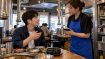
The single rule that matters most at a Korean meal is simple: wait for the eldest or most senior person at the table to pick up their spoon first. Beyond that, keep your rice bowl on the table instead of lifting it, use your spoon for rice and soup while chopsticks handle everything else, and accept or decline a drink with both hands rather than one.
TL;DR:
- The eldest or most senior person must start eating first, and you should wait for their cue before beginning your meal.
- Use the spoon for rice and soup without lifting the bowl, and rest utensils on the rim or on a rest when not in use.
- Always pour drinks for others with two hands and accept offers with both hands, especially when receiving from elders.
- Share banchan and small portions with others, using serving utensils, and avoid overloading your plate to prevent waste.
- Tipping is not customary, and a verbal thank-you suffices; learning key phrases like “jal meokgesseumnida” enhances cultural respect.
Table of Contents
- Quick checklist of Korean table manners to memorize
- How seating and seniority decide who starts the meal
- Which utensil to use, and why your rice bowl stays on the table
- Sharing banchan without looking greedy or wasteful
- Pouring, receiving, and toasting the right way
- Navigating a Korean barbecue table
- Common visitor mistakes and how to recover from them
- Phrases worth memorizing before you sit down
- Why a little practice pays off before you travel
- A personal note on getting it wrong gracefully
- Practice these customs before your next Korean meal
- FAQ
- Sources
Quick checklist of Korean table manners to memorize
A short mental list gets you through most meals without a misstep.
- Do wait for the eldest or the host to start eating before you pick up a utensil.
- Do pour drinks for others before filling your own glass.
- Do use the shared serving spoon or chopsticks when taking banchan, not your own set.
- Do take small portions of side dishes and come back for more rather than piling your plate.
- Don’t lift your rice or soup bowl off the table.
- Don’t leave chopsticks standing upright in a bowl of rice.
- Don’t pass food directly from your chopsticks to someone else’s.
- Don’t leave a tip. Tipping is not customary in Korea, and a verbal thank-you covers it, according to Wise’s tipping guidance for South Korea.
How seating and seniority decide who starts the meal
Korean dining etiquette is built around seniority, a legacy of Confucian social order that still shapes who sits where and who moves first. The seat of honor, usually the one farthest from the entrance or facing the door, typically goes to the eldest or most senior guest, and the rest of the table arranges around that person according to Food Republic’s breakdown of the rule.
If nobody tells you where to sit, hold back for a beat and follow the host’s gesture rather than picking a seat yourself. The same logic applies to starting the meal: wait until the eldest person lifts their spoon, then follow. When a group meal wraps up, the host often covers the bill, though plenty of casual restaurants expect you to pay at a counter near the entrance on your way out. Either way, nobody expects a tip on top.
Which utensil to use, and why your rice bowl stays on the table
Korean table settings pair a long-handled metal spoon with flat metal chopsticks, and each tool has its own job. The spoon handles rice and soup, since Serious Eats notes that spoon and chopstick roles are divided by dish rather than left to preference. Chopsticks take over for banchan, grilled meat, and noodles.

The part visitors trip on most is the bowl itself: rice and soup bowls stay on the table at all times. You bring the spoon up to your mouth instead of lifting the bowl toward your face, a habit Food Republic flags as one of the most common mistakes foreign diners make.
When you’re not actively eating, rest your spoon or chopsticks on the rim of your bowl or on a utensil rest if the table has one. Never leave chopsticks standing upright in a bowl of rice, since that gesture echoes incense offerings at funeral rites, and never pass food from your chopsticks directly to someone else’s.
Sharing banchan without looking greedy or wasteful
Banchan, the small side dishes that fill the center with a Korean table, are meant for everyone, not just the person seated closest to them. VisitKorea’s guidance on Korean food culture treats communal eating as the default, which changes how you should serve yourself.
- Take a small portion at a time instead of loading your plate on the first pass.
- Use the serving spoon or chopsticks provided, or transfer food to your own plate before eating it, rather than digging in with your personal chopsticks.
- If a dish runs low, it’s normal to ask the server for a refill, since banchan are often replenished at no extra charge.
- When one piece of a shared dish is left, offer it to someone else first or ask if anyone wants it before taking it yourself.
Visibly piling your plate reads as wasteful rather than enthusiastic, so smaller, repeated portions are the safer move throughout the meal.
Pouring, receiving, and toasting the right way
Drinking customs carry some of the strictest etiquette at a Korean table. When you pour for someone, hold the bottle with your right hand and support it with your left hand at the wrist or forearm, a two-handed gesture Seoul Tourism describes as standard table choreography. The same two-handed rule applies when you’re receiving a drink, especially from someone older or more senior.

If an elder pours for you, accept the glass with both hands and take a small sip rather than draining it. When drinking in front of someone significantly older, turn your head slightly to the side as you sip, a sign of respect that mirrors how beverage rituals vary across cultures more broadly, as explored in Tri Crow Coffee’s look at global serving customs. A standard toast is “geonbae,” and a light clink of glasses is fine. If you’d rather not drink, leaving a small amount in your glass signals you’re set, since it’s customary to top up an empty glass rather than a partially full one.
Navigating a Korean barbecue table
At Korean barbecue, the youngest person at the table or the host often takes charge of the grill, flipping and cutting meat with the scissors and tongs provided. In tourist-friendly restaurants, staff frequently handle the grilling for you, so don’t feel obligated to grab the tongs if nobody hands them to you.

Whoever is cutting typically offers the first cooked pieces to the eldest or most senior guest before serving themselves. Once the meat course winds down, it’s common to finish with fried rice or a stew cooked in the leftover juices and fat on the grill, a fitting cap to the meal rather than a separate dish.
Common visitor mistakes and how to recover from them
Most slips are forgivable and easy to walk back. The usual culprits: lifting the rice bowl to eat, sticking chopsticks upright in rice, leaving a tip, overloading your plate with banchan, or bringing up heavy or unpleasant topics at the table.
- Lifting your bowl: set it back down, no explanation needed.
- Chopsticks upright in rice: lay them flat across your bowl or on the rest.
- Overfilling your plate: slow down and let the next round be smaller.
- Tipping: a polite “thank you” works better than cash.
Pro Tip: When you’re unsure what to do next, watch the host and mirror their pace rather than guessing. A brief apology and a small effort at Korean, even one phrase, tends to smooth over almost any slip.
Phrases worth memorizing before you sit down
A handful of short phrases go a long way at the table.
- 잘 먹겠습니다 (jal meokgesseumnida): say this before the first bite, roughly “I will eat well.”
- 잘 먹었습니다 (jal meogeosseumnida): say this once you’ve finished, “I ate well.”
- To call a server, a quick “저기요” (jeogiyo) works in most casual restaurants, or press the call button if the table has one.
- To politely decline a drink, “저는 괜찮습니다” (jeoneun gwaenchanseumnida), “I’m fine, thank you,” paired with a small hand gesture over your glass.
Our dining phrase guide walks through pronunciation and timing for each of these in more detail.
Why a little practice pays off before you travel
Reading a list of rules helps, but saying the words out loud changes how naturally they come out at the table. Practicing pronunciation and timing for phrases like “jal meokgesseumnida” or a polite refusal builds the kind of confidence that’s hard to get from a page alone.
Adults preparing for a trip or a business dinner in Korea often benefit from short, structured practice in a group class, a private lesson, or an online Zoom session. Our guide to Korean culture for language learners covers more of the everyday customs that come up outside the restaurant too.
A personal note on getting it wrong gracefully
Etiquette isn’t a performance you either pass or fail. Koreans generally notice and appreciate the effort behind a clumsy attempt far more than the polish of a perfect one. Learning even a few words of the language before a trip tends to open doors that a guidebook alone never will.
— Paul
Practice these customs before your next Korean meal
Reading the rules gets you most of the way there, but rehearsing them out loud, with real feedback on pronunciation and timing, builds the kind of instinct that holds up at an actual table. We offer conversational Korean classes for adults in group, private, and online formats, built around real-life situations like ordering, pouring, and making small talk over a meal.
Our online classes let you practice dining phrases and cultural cues over Zoom on a flexible schedule, while private lessons focus one-on-one on pronunciation and roleplay. If you’d rather train in person, our group classes run from our center at 10 Anson Road, Level 22, International Plaza, right above Tanjong Pagar MRT. Check our current class schedule and find the format that fits your timeline before your next trip or business dinner.
FAQ
What are the basic rules of Korean table manners?
The core rules are to wait for the eldest person to begin eating, keep your rice and soup bowls on the table instead of lifting them, use your spoon for rice and soup and chopsticks for everything else, and avoid sticking chopsticks upright in your rice. Pouring drinks for others with two hands and skipping the tip at the end round out the basics covered throughout this guide.
Is tipping expected in Korean restaurants?
No, tipping is not customary in Korea, and offering extra cash can actually confuse restaurant staff rather than please them, according to Wise’s travel guidance on tipping. A sincere thank-you after the meal is the standard way to show appreciation instead.
What should I say when entering a Korean restaurant?
A simple greeting like “annyeonghaseyo” when you walk in is polite but not strictly required in busier restaurants. Once you’re seated and about to eat, saying “jal meokgesseumnida” before your first bite is the more meaningful phrase to know.
What are some common Korean dining taboos to avoid?
The biggest ones are lifting your rice bowl off the table, leaving chopsticks standing upright in rice, and passing food directly from one set of chopsticks to another. Starting to eat before the eldest person at the table does is also considered a notable breach of respect.
Do I need to grill my own meat at Korean barbecue?
Not necessarily. The youngest person or the host at the table often takes on grilling duties, cutting meat with the provided scissors and offering the first pieces to elders, though staff handle the grill entirely in many tourist-friendly restaurants.
Sources
- South Korea dining etiquette rule | Food Republic
- About Korean Food | VisitKorea
- How to eat Korean food (Serious Eats)
- Wise tip guidance for South Korea
- Korean dining etiquette | Seoul Tourism