The fastest route to real Korean cultural immersion in Singapore is combining four things: large festivals and conventions, immersive dining or theater, hands-on cultural workshops, and structured adult language classes. None of these alone gets you fluent or fluent-adjacent in cultural literacy. Pair a weekend event with a focused conversational or online course, and the vocabulary and etiquette you pick up at a festival actually stick instead of fading by Monday.
TL;DR:
- Attending large festivals or conventions like HallyuCon and the Singapore-Korea Fair provides rapid exposure, but pairing these with a focused class enhances vocabulary retention.
- Participatory dining experiences like Jeju Haenyeo and hands-on workshops at Korea Plaza are limited and require early booking, ideally two to four weeks in advance.
- Short-term immersion is most effective when small workshops are immediately followed by private or group classes to reinforce new vocabulary and cultural understanding.
- Engaging with the Korean community through genuine curiosity, repeated event attendance, and follow-up outside events fosters authentic connections and cultural fluency.
- Online classes, such as those offered by Korean Explorer, complement event experiences by providing conversational practice with native instructors and recorded review materials.
Table of Contents
- What Counts as Korean Cultural Immersion in Singapore?
- How Do Language Classes Deepen Cultural Immersion?
- What Does a 3-Day Korean Immersion Weekend Look Like?
- Why Pairing Classes With Events Works Better Than Either Alone
- How Do You Engage Authentically With Singapore’s Korean Community?
- What Korean Cultural Institutions Operate in Singapore?
- What Korean Etiquette Should You Know Before Attending Events?
- What Korean Media Can You Explore Locally to Supplement Immersion?
- Where Can You Find Korean Language Exchange Meetups in Singapore?
- What Actually Worked: An Honest Look at Short-Term Immersion
- How Korean Explorer Fits Into Your Immersion Plan
- Sources
- FAQ
What Counts as Korean Cultural Immersion in Singapore?
Korean cultural immersion in Singapore isn’t limited to K-pop concerts or Korean barbecue nights. It spans four practical categories, each with a different intensity of participation and a different price point.
Festival-scale events give you the widest exposure in the shortest time. HallyuCon, a large K-culture convention held in Singapore, packs dance masterclasses, a multi-vendor marketplace, and K-pop stage performances into a single weekend, with ticketed masterclasses led by Korean choreographers for anyone willing to book ahead. The Singapore–Korea Fair runs a similar formula around the National Day weekend at *SCAPE, blending community workshops, pop-up markets, and interactive cultural stations that mix Korean and Singaporean elements, and it’s typically free to attend.
Immersive dining sits at the deeper end of participation, offering guests a chance to engage in a truly interactive cultural journey as explained in this sensory guide to culinary experiences. Jeju Haenyeo, staged at The Arts House, is a part-theater dining experience built around the folklore of Jeju Island’s free-diving women. Reviews describe a two-hour, interactive show with a price example around $148 per guest. Smaller seating layouts at this kind of dining theater tend to produce far more actual guest participation than a stadium-style event, so book early if you want a seat near the action rather than the back row.
Korea Plaza, KTO Singapore’s seasonal activation, is the budget entry point. Past runs have included free or low-cost workshops on norigae-making and traditional games like Yutnori, plus seasonal cultural displays. These activations are time-limited and often capacity-capped, so they reward readers who check the schedule rather than showing up on a whim.
Rounding out the list: participatory dance and performance sessions, sometimes run by groups like the Ambiguous Dance Company or hosted through *SCAPE’s workshop programming, offer smaller-group instruction where you actually learn the choreography instead of watching it.
A few booking habits make all the difference:
- Reserve HallyuCon-style masterclasses and Jeju Haenyeo dining slots two to four weeks ahead; both tend to sell through quickly.
- Check Korea Plaza and *SCAPE listings weekly, since capacity-limited workshops often open registration with little notice.
- Weekend and public holiday windows carry the heaviest programming, so plan around those dates first.
- Smaller workshops sometimes still have same-week openings if a major festival isn’t running that month.
How Do Language Classes Deepen Cultural Immersion?
Events give you exposure. Classes give you the vocabulary and grammar to actually use what you saw and heard. Without that second half, most of what you pick up at a festival evaporates within days.
Singapore’s Korean course landscape breaks into a few formats, each suited to a different immersion goal. Group classes put you in a room with other adult learners practicing the same phrases you just heard at a Korea Plaza stall. Private lessons let you work through specific vocabulary from an event, say, the honorifics used during a Jeju Haenyeo performance, at your own pace. Online Zoom packages solve the scheduling problem for working professionals who can’t commit to a fixed weekly slot. Corporate training extends the same conversational focus into a workplace context, useful if your company has Korean clients or partners.
When comparing course options, prioritize:
- A conversation-first teaching style rather than grammar-drill-heavy formats.
- Native, bilingual instructors who can explain a cultural reference in both Korean and English.
- Built-in cultural modules, not just vocabulary lists.
- Recorded class videos you can revisit after an event to reinforce what you heard.
Logistics matter just as much as curriculum. Check session length (two-hour blocks tend to allow for real conversation practice, not just vocabulary recitation), class size, and how flexible the rescheduling policy is if a festival date clashes with your regular class slot. Location convenience counts too. University-run language centers, including NTU’s Centre for Modern Languages, already build cultural activities like hanbok demonstrations and food-based lessons into their curricula, which confirms that pairing structured coursework with hands-on cultural content is a proven format, not a novelty.
Pro Tip: Book your class schedule around the festival calendar, not the other way around. Attend HallyuCon or Korea Plaza first, then schedule a private or group lesson within the same week while the vocabulary is still fresh.
For a full breakdown of local options, see where to take Korean classes in Singapore.
What Does a 3-Day Korean Immersion Weekend Look Like?
A short, well-sequenced weekend beats a scattered month of one-off events. Here’s a realistic three-day structure that mixes public events, a hands-on workshop, and a class.
- Day 1: Go big first. Attend a festival or large-scale event, HallyuCon or the Singapore–Korea Fair are good anchors, and sit in on a dance masterclass or stage performance. Use the vendor stalls to practice five to eight target phrases (greetings, ordering food, asking for directions) with actual Korean speakers or performers.
- Day 2: Go hands-on. Book a smaller, participatory workshop such as a norigae-making session at Korea Plaza, or splurge on immersive dining theater like Jeju Haenyeo. Follow it that evening with a conversational class or a language exchange meetup to talk through what you just experienced.
- Day 3: Consolidate. Take a focused private lesson or online session to lock in new vocabulary and cultural notes from the weekend. Round it out with a reflective activity: a translation exercise, or a visit to a bookshop event covering Korean literature.
Budget-wise, expect free entry at most festival and fair events, roughly $148 per person for immersive dining like Jeju Haenyeo, and course fees on top depending on format. A Group Online Class package of eight sessions runs 480 SGD, while private online packages range from 1,280 to 1,480 SGD for the same eight-session structure. Reserve major festival tickets and dining slots two to four weeks out; smaller workshops sometimes open up the same week if space allows.
Why Pairing Classes With Events Works Better Than Either Alone
Exposure without structure fades. Structure without exposure feels abstract. The two together are what actually move the needle on cultural fluency.
Korean Explorer’s courses are built on a curriculum developed in partnership with Seoul National University, taught by native Korean instructors who are fluent in both Korean and English. That bilingual fluency matters more than it sounds: an instructor who can explain why a particular phrase felt formal at a Jeju Haenyeo dinner, in plain English, turns a confusing moment into a lasting lesson. The school’s conversation-focused method, flexible group, private, and online formats, and recorded class videos mean a phrase picked up at a Saturday festival can be reviewed and drilled again days later instead of being forgotten.
The value of an immersive event isn’t the two hours you spend there. It’s whether you can still use what you learned a week later. That’s the gap structured classes are built to close.
Paul, who has tracked how Singapore’s adult learners combine events and coursework, notes that the learners who progress fastest are rarely the ones attending the most events. They’re the ones who follow up every event with deliberate practice within days, not months.
How Do You Engage Authentically With Singapore’s Korean Community?
Showing up to an event is easy. Engaging with genuine curiosity, rather than treating a festival as a photo backdrop, is what actually builds connections.
Start small talk with a real question rather than a compliment. Asking a vendor at Korea Plaza how a dish is traditionally eaten, or asking a HallyuCon workshop instructor why a certain dance move exists, invites a real answer instead of a polite nod. Use whatever Korean phrases you’ve learned even if you fumble them; most Korean event staff and performers in Singapore respond warmly to genuine effort, poorly pronounced or not.
Attend the same recurring event more than once. Korea Plaza and similar activations run seasonally, and organizers, vendors, and fellow attendees start to recognize repeat faces. That familiarity opens doors that a single visit never will.
Avoid treating every Korean person you meet at these events as a cultural encyclopedia. Koreans in Singapore, whether performers, business owners, or students, have their own individual relationships with their culture. Ask, don’t assume, and don’t reduce a conversation to “explain your culture to me.”
Finally, follow through outside the event itself. If a workshop instructor mentions a smaller class or community group, follow up. Singapore’s Korean cultural scene is smaller and more interconnected than it looks from the outside, and consistent, respectful presence gets you further than any single grand gesture.
What Korean Cultural Institutions Operate in Singapore?
A handful of organizations anchor most of the Korean cultural programming Singapore residents encounter throughout the year.
The Korea Tourism Organization’s Singapore office runs the Korea Plaza activations and similar seasonal campaigns, typically timed around Korean holidays or tourism promotions. These tend to be the most accessible entry point since many activities are free or low-cost.
University language centers, including NTU’s Centre for Modern Languages, run structured Korean courses that fold in cultural components like food demonstrations and traditional dress. These programs serve students and the public but follow academic term schedules rather than year-round enrollment.
Independent event organizers behind conventions like HallyuCon operate more like commercial promoters than cultural institutions, but their scale and frequency make them a reliable recurring source of large-group immersion.
Bookshops and literary venues, Kinokuniya’s event programming among them, occasionally host translator panels and literature discussions that offer a quieter, more reflective alternative to festival-style events. These sessions tend to draw a smaller, more dedicated crowd, and they’re worth prioritizing if pop-culture events start to feel repetitive.
Private language schools round out the ecosystem, offering the structured, year-round instruction that seasonal institutional programming can’t provide on its own.
What Korean Etiquette Should You Know Before Attending Events?
A little etiquette awareness turns an awkward encounter into a comfortable one, and it signals genuine respect rather than performative interest.
Age and hierarchy shape a lot of Korean social interaction, even in casual event settings. Using both hands when receiving an item, a business card, a snack sample, a workshop handout, from someone older or in a position of authority is a small gesture that gets noticed. A slight bow when greeting an instructor or performer, even a shallow nod, reads as respectful without requiring you to get the depth exactly right.
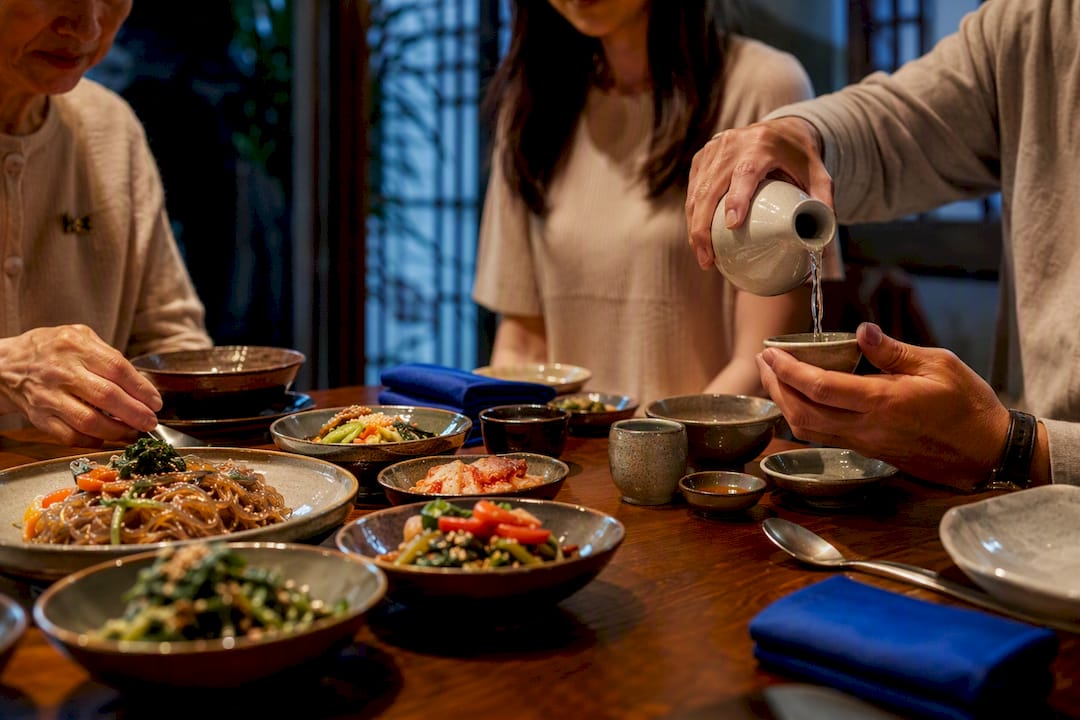
Table manners come up constantly at immersive dining events like Jeju Haenyeo. Waiting for the eldest or most senior person at the table to start eating, and pouring drinks for others before your own, are small habits worth practicing even if no one enforces them strictly.
Avoid pointing with a single finger, considered rude in many Korean contexts, and be mindful of volume in smaller workshop settings where a quieter, attentive tone is expected. When exchanging names, using honorific titles or simply asking how someone prefers to be addressed avoids the common mistake of over-familiarity too soon.
None of this needs to be perfect. Koreans engaging with Singapore’s cultural events generally appreciate visible effort over flawless execution. Getting the gesture roughly right, and asking when unsure, matters more than memorizing a rulebook.
What Korean Media Can You Explore Locally to Supplement Immersion?
Streaming services carry the bulk of Korean film and drama content available in Singapore, but local, physical access points add texture that a screen can’t.
Bookshops carrying Korean literature in translation, Kinokuniya’s Korean literature sections among them, give you access to authors whose work rarely gets adapted into film or television. Pairing a novel with a translator talk, like the sessions Kinokuniya has hosted, adds context that a solo reading misses entirely.
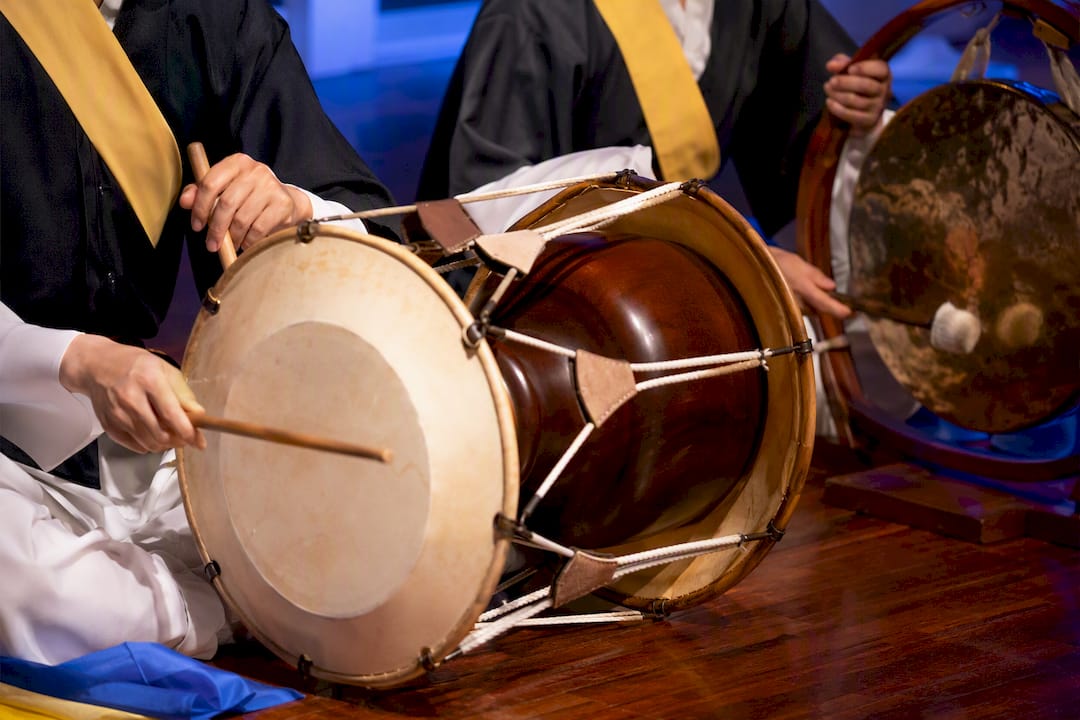
Music-wise, K-pop dominates the mainstream conversation, and HallyuCon’s stage performances are a direct, live entry point if you want to experience the genre beyond a music video. But traditional Korean music, pansori vocal storytelling or samulnori percussion, occasionally surfaces at Korea Plaza’s cultural displays and is worth seeking out specifically, since it rarely gets festival billing next to K-pop.
Film-wise, Korean cinema’s arthouse and independent side often gets overshadowed by mainstream Korean drama series. Checking local arts venue listings, including The Arts House’s broader programming beyond Jeju Haenyeo, occasionally turns up Korean film screenings or related cultural programming worth attending alongside a dining or workshop booking.
The throughline across all of this media: consuming it passively teaches you less than consuming it alongside active language study. A film watched with subtitles off, after a few months of conversational classes, teaches you more than a dozen watched with subtitles on.
Where Can You Find Korean Language Exchange Meetups in Singapore?
Language exchange meetups fill the gap between structured classes and one-off cultural events. They’re informal, usually free, and built entirely around mutual practice.
Look for meetups organized around universities and community centers, since NTU’s language programming and similar institutions sometimes host informal practice sessions alongside their formal coursework. Community boards at Korea Plaza and similar KTO activations occasionally list upcoming exchange meetups, since organizers know attendees are already primed for more practice.
Online community groups dedicated to Korean learners in Singapore are another reliable source, and they tend to organize casual meetups around cafes or public spaces rather than formal venues. These groups are especially useful for finding conversation partners between structured classes, since a weekly Zoom lesson alone rarely provides enough speaking practice.
Language exchange works best with a light structure: agree on a set amount of time in Korean and a set amount in English, rather than letting the whole session drift into whichever language feels easier. Bringing specific vocabulary or phrases from a recent event, something you heard at HallyuCon or picked up during a Jeju Haenyeo show, gives the conversation a concrete starting point instead of an awkward blank slate.
What Actually Worked: An Honest Look at Short-Term Immersion
The biggest surprise in watching adult learners attempt cultural immersion in Singapore isn’t which events they attend. It’s how quickly the ones who pair small, hands-on workshops with an immediate class session pull ahead of everyone else. A crowded festival stage teaches you almost nothing about actual language use. A twelve-person norigae workshop, followed within days by a conversational lesson, teaches you plenty.
An unexpected side effect: learners who commit to this pairing build local Korean community connections faster than those chasing every big event on the calendar. Smaller, repeated engagement beats scattered, large-scale attendance every time.
If there’s one action to take immediately, it’s this: pick one upcoming event, small or large, and book a class session for the same week. Don’t let the two sit unconnected on your calendar.
— Paul
How Korean Explorer Fits Into Your Immersion Plan
Korean Explorer is built for exactly the pattern that works best: an event or workshop followed quickly by structured, conversation-focused practice. Instead of hunting for a generic language app after a Korea Plaza visit or a HallyuCon weekend, you get native, bilingual instructors who can walk you through what you just experienced, in Korean and in English, and recorded lessons you can revisit whenever a phrase from an event slips your mind.
If your immersion weekend leaves you wanting real conversational ability rather than a handful of memorized phrases, the Conversational Korean Beginner 1 Group Class runs 350 SGD per person and puts you in a room with instructors trained on a curriculum developed with Seoul National University. Working professionals with unpredictable schedules can instead look at the online class packages, with group packages of eight two-hour sessions at 480 SGD and private packages between 1,280 and 1,480 SGD, both delivered over Zoom. Companies looking to build Korean fluency across a team can inquire about corporate training directly. Classes run at Korean Explorer’s central location at 10 Anson Road, Level 22, International Plaza, right above Tanjong Pagar MRT, alongside the Jurong and Tampines centers. Reach out through the learn Korean language page to check current schedules and enroll before your next immersion weekend.
Sources
Always verify current dates and capacity before booking. Check the Jeju Haenyeo review and details, the HallyuCon event site, Korea Plaza’s seasonal activations, and Singapore–Korea Fair coverage for updated schedules.
- Jeju Haenyeo Singapore: Dive Into The Stories Of Jeju Island At This New Immersive Dining Experience In Singapore
- Autumn in Korea Comes Alive at Korea Plaza
- Singapore–Korea Fair 2026 coverage
FAQ
What Is the Best Way to Start Korean Cultural Immersion in Singapore?
Attend one accessible event, a Korea Plaza workshop or a festival like the Singapore–Korea Fair, then book a conversational class within the same week to lock in what you learned.
How Much Does Immersive Korean Dining Cost in Singapore?
Jeju Haenyeo, the immersive dining theater experience at The Arts House, runs around $148 per guest for a two-hour show.
Do I Need to Speak Korean Before Attending Cultural Events?
No. Festivals, Korea Plaza activations, and workshops welcome all skill levels, though knowing a few basic phrases makes the experience noticeably more interactive.
How Far Ahead Should I Book Korean Cultural Events in Singapore?
Reserve tickets for major events like HallyuCon or immersive dining experiences two to four weeks ahead, since capacity-limited slots tend to sell through quickly.
Can Online Korean Classes Support Cultural Immersion as Well as In-Person Classes?
Yes. Korean Explorer’s online Zoom packages use the same conversation-focused, native bilingual instruction as in-person classes, with recorded lessons for reviewing vocabulary picked up at events.
Where Can I Find Korean Language Exchange Meetups in Singapore?
Check university language center listings, community boards at KTO Singapore activations, and online groups dedicated to Korean learners for casual, free practice meetups.