TL;DR:
- Effective Korean learning on YouTube combines structured instruction with authentic content and active techniques. Using shadowing and transcription accelerates progress by turning passive viewing into active speaking practice. Combining both channel types and focusing on short, daily sessions yields the fastest route to fluency.
Korean YouTube channels for learners are the most accessible way to combine structured language instruction with real cultural immersion, all without leaving your screen. The best channels teach grammar and vocabulary while exposing you to the speech rhythms, slang, and social context that textbooks skip entirely. Passive watching, however, produces little progress. Techniques like shadowing and transcription turn viewing into active practice, which is where real acquisition happens. This guide covers what to look for, which channel types deliver results, and how to build a daily routine that moves you forward.
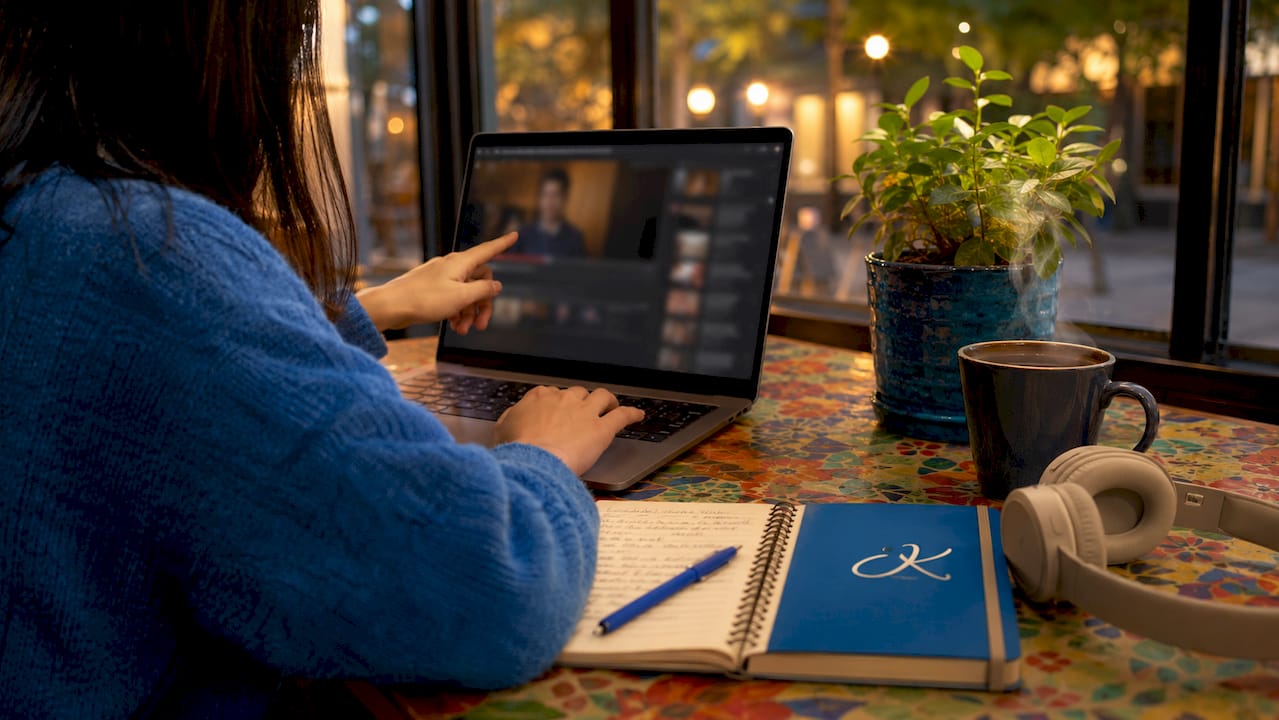
What makes the best Korean YouTube channels for learners?
The most effective channels share four qualities: clear pacing, honest cultural context, subtitle support, and content that rewards active engagement. A channel that speaks slowly and labels every grammar point works well for beginners. A vlog filmed in Seoul with no captions challenges advanced learners in ways no textbook can replicate.
Subtitles matter more than most learners realize. YouTube’s auto-captions for Korean are often inaccurate for fast, informal speech. That means a channel with manually written Korean and English subtitles is worth far more than one relying on auto-generated text.
Consistency is the other underrated factor. A channel that uploads twice a week gives you a reliable study schedule. Irregular uploads break momentum, which is the enemy of language acquisition.
- Instructional clarity: Lessons should define grammar points explicitly, not assume prior knowledge.
- Authentic speech samples: Even beginner channels benefit from short clips of natural Korean conversation.
- Subtitle quality: Manually written subtitles beat auto-generated captions every time.
- Active learning hooks: Channels that prompt repetition, quizzes, or shadowing exercises produce better results.
- Upload frequency: Regular content keeps your practice schedule intact.
Pro Tip: Before committing to a channel, watch three episodes back to back. If you can follow the pacing and feel challenged without feeling lost, it fits your current level.
## 1. Talk To Me In Korean
Talk To Me In Korean is the most recognized instructional channel for English-speaking Korean learners. Its lessons are organized by level, from absolute beginner through advanced, and each episode targets a specific grammar point or vocabulary set. The hosts speak clearly, use humor to hold attention, and always contrast Korean with English so the logic of the language clicks faster.
The channel’s strength is structure. You can follow it like a course, moving episode by episode, rather than jumping between unrelated videos. That sequential approach builds a solid grammatical foundation before you encounter native-speed content.
## 2. Go Billy Korean
Go Billy Korean takes a grammar-first approach with unusually deep explanations. Billy Campbell breaks down sentence structure in ways that reveal why Korean works the way it does, not just how to memorize patterns. This is especially useful for learners who find rote memorization frustrating.
The channel also addresses common misconceptions about Korean grammar that other instructional channels gloss over. If you have ever wondered why a sentence sounds right but cannot explain the rule behind it, Go Billy Korean is the channel that answers that question.
## 3. Korean Unnie
Korean Unnie targets beginner and low-intermediate learners with short, themed vocabulary lessons. Episodes cover everyday topics like food, travel, and K-drama phrases, making the content feel immediately relevant. The host’s warm delivery lowers the anxiety that many new learners feel when facing an unfamiliar writing system.
The channel pairs well with a structured course. Use it to reinforce vocabulary you are already studying rather than as a standalone curriculum.
## 4. 1-Minute Korean
1-Minute Korean delivers exactly what the name promises: single grammar points or phrases explained in under 90 seconds. The format is ideal for daily warm-ups before a longer study session. Short episodes also make it easy to practice the shadowing technique, since you can replay a 60-second clip dozens of times without fatigue.
Shadowing compresses pronunciation, prediction, and rhythm drills into one exercise, making it one of the most efficient fluency tools available. Short-form channels like this one are perfect for applying that method.
## 5. Vlog-style Korean channels for cultural immersion
Authentic content like vlogs, dramas, and casual speech is critical for natural acquisition beyond scripted teaching videos. Korean lifestyle vloggers film daily routines, street food tours, and social outings in unscripted, native-speed Korean. This exposes you to the contractions, filler words, and regional expressions that formal lessons never include.
The challenge is comprehension. Native-speed speech with informal grammar can feel impenetrable at first. The solution is to use AI transcription tools alongside these videos. Accurate Korean transcripts can be generated in under 60 seconds using external tools, giving you a readable script to study before or after watching.
## 6. Korean drama clip channels
Drama clip channels compile short scenes from popular Korean television series with dual-language subtitles. These clips expose you to formal speech, informal speech, and emotional register shifts all within a few minutes. Watching a tense argument scene teaches you vocabulary and tone that a grammar lesson never would.
The best drama clip channels select scenes for linguistic value, not just entertainment. Look for channels that include vocabulary notes or slow-motion replays of key phrases.
## 7. TTMIK’s “Iyagi” series
Talk To Me In Korean’s “Iyagi” series deserves its own entry. It features two native speakers having unscripted conversations at natural speed, with transcripts available for purchase. The series is designed specifically to bridge the gap between instructional content and authentic listening. Learners who start with graded content and move to native-speed material once comprehension exceeds 70% find “Iyagi” to be the ideal transition point.
## 8. Korean with Jaehee
Korean with Jaehee focuses on pronunciation and speaking confidence. Jaehee isolates sounds that non-native speakers consistently mispronounce and drills them with visual mouth-position guides. This is the channel to watch if your reading and writing are solid but your spoken Korean sounds stilted.
Pronunciation work pairs directly with shadowing. Watch a Jaehee episode to understand the target sound, then shadow native content to lock it into muscle memory.
## 9. Channels covering Korean news and current events
News-format channels present Korean in a slower, more deliberate register than casual vlogs. Anchors speak clearly, use formal vocabulary, and repeat key phrases. This makes news content surprisingly accessible for upper-intermediate learners who want to expand their formal vocabulary without enrolling in a business Korean course.
Consistent daily practice with native-level content, combined with live conversation practice, accelerates spoken fluency. News channels provide the native content half of that equation.
How to combine channels and techniques for real progress
The most effective YouTube learning routine pairs instructional channels with authentic content and applies active techniques to both. The sequence matters. Jumping into native-speed entertainment too early impedes learning rather than accelerating it.
Follow this four-step approach:
- Build a foundation first. Spend your first two to three months on structured instructional channels. Understand basic grammar before you attempt unscripted content.
- Add shadowing to short clips. Once you recognize sentence patterns, shadow 60-second clips daily. Daily 10-minute shadowing sessions improve pronunciation and listening comprehension within 4–8 weeks.
- Use transcription tools for authentic content. When you move to vlogs or drama clips, generate a transcript first. Read it, then watch the video, then shadow a short section.
- Schedule short daily sessions. Thirty minutes of focused practice beats three hours of passive watching every time.
Pro Tip: Set a comprehension threshold before moving to harder content. If you understand less than 70% of a video without subtitles, it is too advanced for active shadowing. Use it for passive listening instead.
| Learning stage | Recommended channel type | Active technique |
|---|---|---|
| Beginner (0–6 months) | Structured instructional channels | Shadowing short clips, vocabulary repetition |
| Intermediate (6–18 months) | Graded conversation series | Transcription + shadowing, note-taking |
| Advanced (18+ months) | Vlogs, news, drama clips | Full transcription, free shadowing |
Instructional vs. authentic channels: which fits your goals?
Choosing between channel types depends on your current level and what you want to achieve. The table below maps channel features to learner needs.
| Feature | Instructional channels | Authentic content channels |
|---|---|---|
| Speech speed | Slow to moderate | Native speed |
| Subtitle quality | Manual, bilingual | Auto-generated or none |
| Grammar focus | Explicit | Incidental |
| Cultural depth | Moderate | High |
| Best for | Beginners, intermediate | Intermediate, advanced |
| Active technique | Shadowing short clips | Transcription + shadowing |
The most effective learners use both types simultaneously. Instructional channels build the grammar map. Authentic channels fill it with real vocabulary, tone, and cultural meaning. Neither alone produces fluency as fast as the two combined.
Key takeaways
The fastest path to Korean fluency on YouTube combines structured instructional channels with authentic native content, using shadowing and transcription as the active techniques that turn viewing into real learning.
| Point | Details |
|---|---|
| Active techniques matter most | Shadowing and transcription produce far more progress than passive watching alone. |
| Match content to your level | Start with instructional channels and move to native content once comprehension exceeds 70%. |
| Subtitle quality is critical | Channels with manual subtitles outperform those relying on auto-generated Korean captions. |
| Combine channel types | Instructional channels build grammar; authentic channels build vocabulary, tone, and cultural fluency. |
| Short daily sessions win | Ten to thirty minutes of focused daily practice beats irregular long sessions every time. |
Why I think most Korean learners are using YouTube wrong
Learners treat YouTube like a television set. They watch, they enjoy, and they wonder why their speaking does not improve. The problem is not the content. The problem is the posture.
Every time I have seen a learner make rapid progress with Korean YouTube content, they were doing something physical with it. They were mouthing words, pausing to repeat phrases, or writing down sentences they did not understand. Active spoken imitation is what separates rapid progress from passive watching. That distinction is the whole game.
My favorite routine is simple. I watch a two-minute clip once for meaning. Then I generate a transcript, read it carefully, and shadow the clip three times in a row. By the third pass, I am not reading anymore. I am speaking. That shift from comprehension to production is where fluency actually lives.
The cultural content is the other piece most learners undervalue. A vlog about a Korean market visit teaches you more about how Koreans think, negotiate, and relate to each other than any grammar lesson. That cultural layer is what makes your Korean feel natural rather than translated. You can read more about cultural immersion in learning and why it accelerates acquisition faster than most learners expect.
— Paul
Korean Explorer: structured learning that works alongside YouTube
YouTube gives you exposure. Korean Explorer gives you the structure that turns exposure into real proficiency.
Korean Explorer is a Korean language school in Singapore offering adult conversational and business Korean courses, online Zoom classes, and corporate training programs. All courses follow a curriculum developed by Seoul National University, taught by native Korean instructors fluent in both Korean and English. Whether you are a beginner building your first grammar foundation or an intermediate learner ready to move into professional Korean, Korean Explorer has a course format that fits your schedule. Explore Korean courses for adults or find out more about learning Korean in Singapore to take your YouTube practice further.
FAQ
What are the best Korean YouTube channels for beginners?
Talk To Me In Korean and Go Billy Korean are the strongest starting points for beginners. Both channels provide structured, level-organized lessons with clear English explanations and consistent upload schedules.
How do I use shadowing with Korean YouTube videos?
Play a short clip of 60–90 seconds, listen once for meaning, then replay it while speaking along with the audio in real time. Daily 10-minute sessions produce measurable improvements in pronunciation and listening comprehension within 4–8 weeks.
Why are Korean YouTube auto-captions unreliable?
YouTube’s auto-generated captions struggle with fast, informal Korean speech and frequently misread contracted syllables and regional expressions. Using an external AI transcription tool produces substantially more accurate results for serious study.
When should I switch from instructional to authentic Korean content?
Switch when you understand at least 70% of an instructional video without subtitles. Moving to native-speed content before that threshold slows progress rather than accelerating it.
Can YouTube alone make me fluent in Korean?
YouTube builds listening comprehension, vocabulary, and cultural knowledge effectively. Fluency also requires speaking practice, which YouTube cannot provide on its own. Pairing YouTube study with live conversation classes or a structured course produces the fastest results.